
Do you also think mouth breathing is normal? If yes, then you might be missing out on something. Mouth breathing may sound harmless, but chronic breathing can literally reshape your facial structure and impair your health in surprising ways.
Mouth breathing might sound harmless, but chronic mouth breathing can literally reshape your face and impair your health in surprising ways. The fact is that regularly relying on your mouth for breathing instead of your nose can influence facial development, teeth alignment, sleep quality, and overall health. It may contribute to changes such as an elongated facial appearance, commonly associated with “adenoid face,” along with problems like poor sleep, low energy, and daytime fatigue. The positive side is that recognizing the importance of natural nasal breathing and understanding the effects of mouth breathing, particularly in children, can help you take the right steps towards better breathing habits, improved appearance, and enhanced well-being.
The truth is that mouth breathing is more than just an uncomfortable nighttime habit. Over time, it may contribute to noticeable changes that go beyond a dry mouth in the morning.
Nasal Breathing Matters More Than You Think
Our common breathing process is through our nose. Nasal passages act as built-in air filters and conditioners. Air passing through the nose gets warmed, humidified, pressurized, and cleansed by mucus and tiny nose hairs before reaching our lungs. Nasal breathing also supports the production of nitric oxide, a molecule that plays a role in blood flow and oxygen delivery.
When a person regularly breathes through their mouth, the body bypasses these natural functions. This can lead to less efficient breathing patterns and may influence sleep quality, energy levels, and overall well-being.
For many people, mouth breathing becomes most noticeable at night. During sleep, the jaw naturally relaxes, the mouth can fall open, and breathing shifts away from the nose. This is one reason nighttime mouth breathing often goes unnoticed for years.
The Hidden Signs of Chronic Mouth Breathing
Many people associate mouth breathing only with snoring, but several other signs may indicate an ongoing problem:
· Waking up with a dry mouth
· Frequent bad breath despite good oral hygiene
· A sore throat or irritated mouth in the morning
· Poor sleep quality
· Feeling tired after a full night of sleep
· Difficulty concentrating during the day
· Increased snoring or disturbed sleep patterns
These symptoms may seem unrelated at first, but they can all be connected to the way someone breathes while sleeping.
How Mouth Breathing Can Affect Facial Structure
One of the biggest reasons mouth breathing has gained attention online is its possible connection to facial development. Particularly during childhood and teenage years, breathing patterns can influence posture, jaw position, and muscle balance.
When the mouth remains open for long periods, the tongue may sit lower in the mouth instead of resting naturally against the roof of the mouth. This change in oral posture can affect the balance of facial muscles and jaw development.
Some researchers and dental professionals have discussed associations between chronic mouth breathing and features sometimes referred to as “long face syndrome,” where the lower face appears more elongated. Other possible concerns include:
· Changes in jaw positioning
· Altered facial muscle activity
· Narrower dental arches
· Increased likelihood of dental crowding
While facial development is influenced by many factors, including genetics, breathing habits are increasingly being recognized as an important part of the bigger picture.
The Impact on Dental Health
Your mouth is not designed to stay open for hours every night. Continuous airflow through the mouth can reduce saliva levels, and saliva plays a critical role in protecting teeth and gums.
A dry mouth creates an environment where bacteria can multiply more easily, increasing the risk of the following:
· Cavities
· Gum irritation
· Tooth sensitivity
· Persistent bad breath
Saliva helps wash away food particles and neutralize acids produced by bacteria. When the mouth becomes dry during sleep, this protective process is reduced.
This is why some people wake up with unpleasant breath or a coated feeling in their mouth, even when they maintain a strong oral care routine.
The Connection Between Mouth Breathing and Restless Sleep
Nighttime mouth breathing is one of the most overlooked reasons people struggle with restless sleep. When the mouth opens during sleep, airflow patterns can change, sometimes contributing to snoring and repeated awakenings.
Even small disruptions throughout the night can prevent the body from reaching deeper, more restorative stages of sleep. This may result in daytime fatigue, mood changes, and reduced focus.
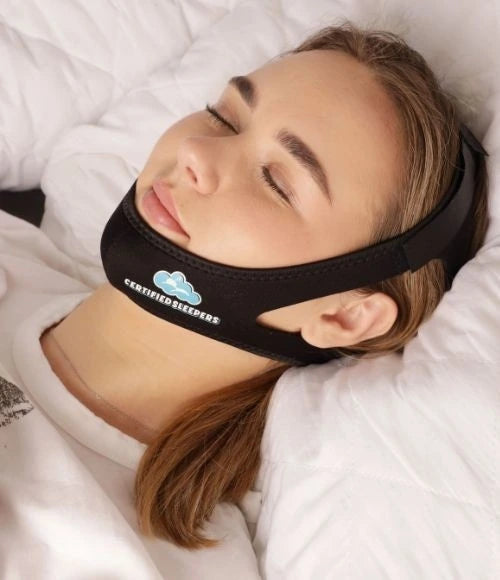
For people experiencing nighttime breathing issues, solutions such as an anti snoring chin strap for restless sleep may help encourage a more comfortable sleeping position by supporting the jaw and keeping the mouth from falling open during sleep. However, it is important to understand the underlying cause of mouth breathing and address factors such as nasal congestion, allergies, or airway concerns.
Why Mouth Breathing Is Getting More Attention Online
The rise of the “mewing” and jaw health communities has brought attention to facial posture and oral habits. Many people are exploring how tongue position, posture, and breathing patterns may influence appearance and comfort.
Although social media discussions can sometimes oversimplify complex topics, they have highlighted an important message: small daily habits can have long-term effects.
Breathing is one of those habits that happens automatically, which means many people never stop to evaluate whether they are breathing in the healthiest way possible.
Thus, mouth breathing may appear harmless, but when it becomes a long-term habit, it can affect much more than sleep. From dry mouth and dental issues to changes in facial structure and reduced sleep quality, this silent habit deserves more attention.
Understanding the connection between breathing, oral posture, and overall health can help people take proactive steps toward better rest and improved well-being. Brands like Certified Sleepers focus on creating awareness around sleep-related challenges and helping people explore better solutions for nighttime comfort.