
If you find yourself waking with gnawing hunger pangs or feeling drained, your body is likely giving you a signal that something isn’t right. You go to bed at a proper time and clock seven to eight hours, yet you still wake up tired. Shouldn’t more sleep give you more energy? Not always. It is often ignored as stress, a hectic day, or perhaps a late dinner. But the truth is how you sleep matters—especially your breathing.
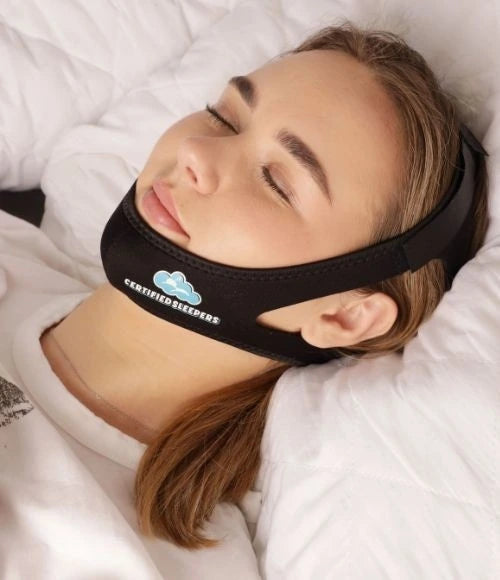
Some people sleep with their mouths open, which can lead to uncomfortable symptoms and may signal an underlying sleep or breathing issue. While most people breathe through their noses during sleep, some breathe through their mouths due to allergies, nasal congestion, anatomical factors, or even breathing disorders. Mouth breathing is often overlooked, yet it can quietly disrupt your sleep, lower your energy levels, and even affect your appetite hormones. For many people, including children, it may be the underlying cause of persistent fatigue and unexplained morning hunger. In such cases, using a chin strap to stop mouth breathing can be a simple and effective way to encourage proper nasal breathing during sleep.
Let’s explore how mouth breathing could be affecting you and disrupting your sleep and your metabolism.
Why Does It Occur?
Mouth breathing at nighttime often starts when normal airflow through the nose becomes blocked and restricted. Certain conditions like allergies, sinus congestion, or even the shape of your nasal passages can be the reason that stops you from breathing freely. When the nose feels obstructed, your body switches to breathing through the mouth.
Here Are Some Reasons Why People Breathe Through Their Mouths
• Nasal congestion or structural issues of noses
• Enlarged tonsils or adenoids
• Poor oral or jaw posture
• Childhood habits that never got corrected
• Underlying sleep disorders
Know Why You Wake Up Hungry After Sleep?
Interestingly, sleep and appetite are interconnected through key hormones—ghrelin (stimulates hunger), leptin (signals fullness), and cortisol (the primary stress hormone). When sleep quality declines, the balance of key hormones is disrupted. Ghrelin tends to rise, making you feel hungrier, while leptin levels drop, reducing appetite after eating, and cortisol increases, prompting the body to increase carbohydrate intake. If the breathing pattern interferes with your sleep, your body wakes up feeling exhausted and low on energy. So, the sudden morning hunger may not actually be for food; instead, it could be a silent way your body compensates for poor-quality sleep.
How It Impacts Metabolism
Chronic poor sleep patterns not only leave you tired and hungry—they can significantly disrupt your metabolic functions. Studies show that inadequate sleep reduces insulin sensitivity, increases cravings for fast foods, promotes fat storage, and gradually slows down your metabolic rate. When mouth breathing consistently interferes with your sleep, these metabolic changes can take a toll over time. The result may be weight gain due to your hormones and metabolic processes not functioning in proper balance.
Related Link: How A Chinstrap Can Help Stop Mouth Breathing And Improve Teeth Grinding
At first glance, mouth breathing may not appear to be a serious concern. However, over time, it can have noticeable effects on your overall health. You may experience persistent fatigue or tiredness, or you might experience bad breath and a higher risk of gum problems or other dental issues. When your mouth remains open while you sleep, your body may not function as efficiently as it should during restorative rest. To rule out this situation, a chin strap can be of great help. The strap gently holds the jaw closed, preventing the mouth from opening while sleeping and helping to improve overall sleep quality. Keeping the jaw in its right position promotes nasal breathing and can help prevent other symptoms that may occur due to mouth breathing.
How to Help Yourself?
Chin straps can improve nasal breathing. However, training yourself to breathe through your nose can also help improve the condition. It improves oxygen efficiency, supports deeper sleep, reduces snoring, and helps balance hunger hormones. Some lifestyle changes and breathing practices can also help. Keep nasal congestion or allergies at bay: use saline rinses for clearing nasal passages and practice nasal breathing during the day. It also works if you do oral postures like keeping your tongue raised and resting on the roof of your mouth and improving overall sleep hygiene for healthy breathing patterns at night. Over time, these small adjustments can bring noticeable improvements in sleep quality and overall well-being.
Thus, it seems like a small nighttime habit can quietly disrupt deep sleep, affect hormone balance, and interfere with your body’s natural recovery process. You must listen to what your body is trying to tell you. Make sure you prioritize nasal breathing that supports better oxygen flow, steadier energy levels, and deeper rest. Small changes like improving nasal airflow or using supportive tools can make a noticeable difference. Remember, when you address the root, better sleep and energized mornings become far more achievable.
Choosing the Right Snoring Solution
Investing in a proper chin strap can give you a strong head start toward improving your sleep quality and overall well-being. Look for the features when selecting the right snoring remedy:
• Adjustable fit
• Soft, breathable materials
• Universal fit
• Durability and easy cleaning.
You can explore helpful snoring remedies and solutions from Certified Sleepers to find a product that suits your needs and supports better sleep. Smart choices can make a real difference to your nightly comfort.