
Ever wake up feeling tired, as if you hardly slept? Or struggle to fall asleep in the first place? How you breathe at night might be a major problem. Most people don’t think about it, but proper nighttime breathing can significantly impact your sleep quality, energy, and overall well-being. Luckily, there are simple ways to improve your breathing at night so you can wake up feeling refreshed and rested.
Why is Nighttime Breathing Important?
Breathing happens naturally, but that doesn’t mean we do it well, especially during sleep. Mouth breathing can lead to snoring or disrupted sleep, while proper breathing can reduce anxiety and promote deep, restorative rest. On the other hand, mouth breathing can lead to:
- Snoring
- Dry mouth and throat
- Interrupted sleep
- Reduced oxygen efficiency
- Fatigue the next day
If you often wake up tired despite sleeping for enough hours, your breathing pattern could be the missing piece.
The good news is you can control your breathing pattern by training your body to breathe better at night with simple exercises. Here are some techniques that can help.
Breathing Techniques for Better Sleep
A great deal of research has been conducted by experts on the relationship between proper breathing patterns and sleep, demonstrating that a combination of good sleep hygiene and deep breathing may be the reason behind good sleep.
Here are a few gentle breathing practices you can start using tonight for a more restful sleep.
Diaphragmatic Breathing
Diaphragmatic breathing or belly breathing is a way to take deep, full breaths. It provides relaxation and can help you fall asleep more easily. Keep one hand on your chest and the other on your stomach, and then breathe deeply through your nose, letting your stomach rise while keeping your chest still. Hold your breath and then slowly exhale through your mouth. Repeat this for a few minutes, counting till 10.
4-7-8 Breathing
This easy yet powerful technique helps reduce your heart rate and relax your nervous system. Sit comfortably with your back straight or lie down in bed. Inhale through your nose for four seconds, hold your breath for seven seconds, and then gently exhale through your mouth for eight seconds. Repeat this cycle at least four times to feel calm and relaxed.
Alternate Nostril Breathing
This effective breathing technique helps stabilize your mental state, especially when you are feeling anxious before bed. Sit up straight and, using your index finger, close your right nostril. Inhale through the left nostril, close it, and exhale through your right. Then inhale through the right nostril, switch sides, and exhale through the left. Continue this pattern for a few minutes until you feel more relaxed.
Habit-Building Tips to Improve Nighttime Breathing
Breathing exercises are more helpful in dealing with sleeping interruptions, but there are other things you can do to make sure you are breathing better at night:
- Using a saline spray, clear your nasal passages to keep your airways open if you have congestion
- Maintain a bedtime routine of practicing breathing exercises before bed
- Limit caffeine and heavy meals before bed
- Maintaining good body posture during the day can help train your body to breathe better
Combining these healthy habits with proper breathing techniques can improve and optimize the quality of your sleep.
Remember, improving your breathing habits doesn’t happen overnight. Any form of training takes time and consistency. You have to be patient and focus on one or two techniques at a time. Practice daily, keep a good track, and see how you feel in the morning. Within a few weeks, you will definitely notice deeper sleep, reduced snoring, and better energy levels throughout the day.
When to Get Help
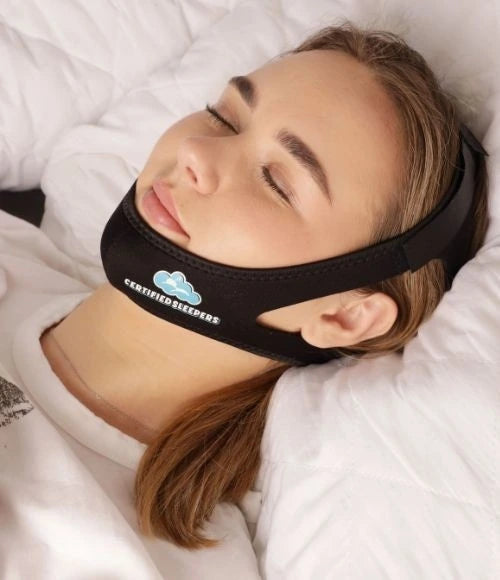
Sometimes you need a little assistance while you build better habits. One simple and effective tool is an anti snoring chin strap. It supports your jaw and helps keep your mouth closed during sleep. This also encourages natural nasal breathing. Chin straps are especially useful if you tend to breathe through your mouth unconsciously, even while sleeping. Using supportive tools alongside breathing exercises and maintaining a healthy lifestyle can accelerate your progress and improve results.
Brands like Certified Sleepers offer thoughtfully designed chin straps that are highly effective anti-snoring tools that gently support your jaw and help keep your mouth closed during sleep. This encourages natural nasal breathing and can significantly reduce snoring.
In most cases, breathing is something we take for granted. But it plays a significant role in how well we sleep and how we feel each day. By understanding the concern and becoming more aware of your breathing patterns, practicing simple exercises, and building supportive habits, you can change your life and get proper sleep at the end of the day.
Whether it’s adopting breathing techniques, adjusting your sleeping position, or using trusted solutions like the anti snoring chin strap, every small step adds up. With consistency and patience, better sleep can become your new normal.